
The fine jewelry selection process is a deliberate, step-by-step method for choosing pieces that balance personal style, material quality, and ethical sourcing for lasting wear and satisfaction. Fine jewelry differs from fashion jewelry in one concrete way: it uses precious metals and genuine gemstones rather than base metals and synthetic simulants. Getting this process right means you spend money once on something you wear for decades, not repeatedly on pieces that tarnish, break, or simply stop feeling right. This guide covers metal standards, gemstone certification, style matching, ethical sourcing, and a clear purchase sequence to help you buy with confidence.
What defines the fine jewelry selection process: metals, gemstones, and certification
Fine jewelry is classified by three material standards: the purity of its metal, the quality of its gemstones, and the presence of third-party certification. Understanding each one protects you from misleading descriptions and overpriced mediocrity.
Precious metal standards
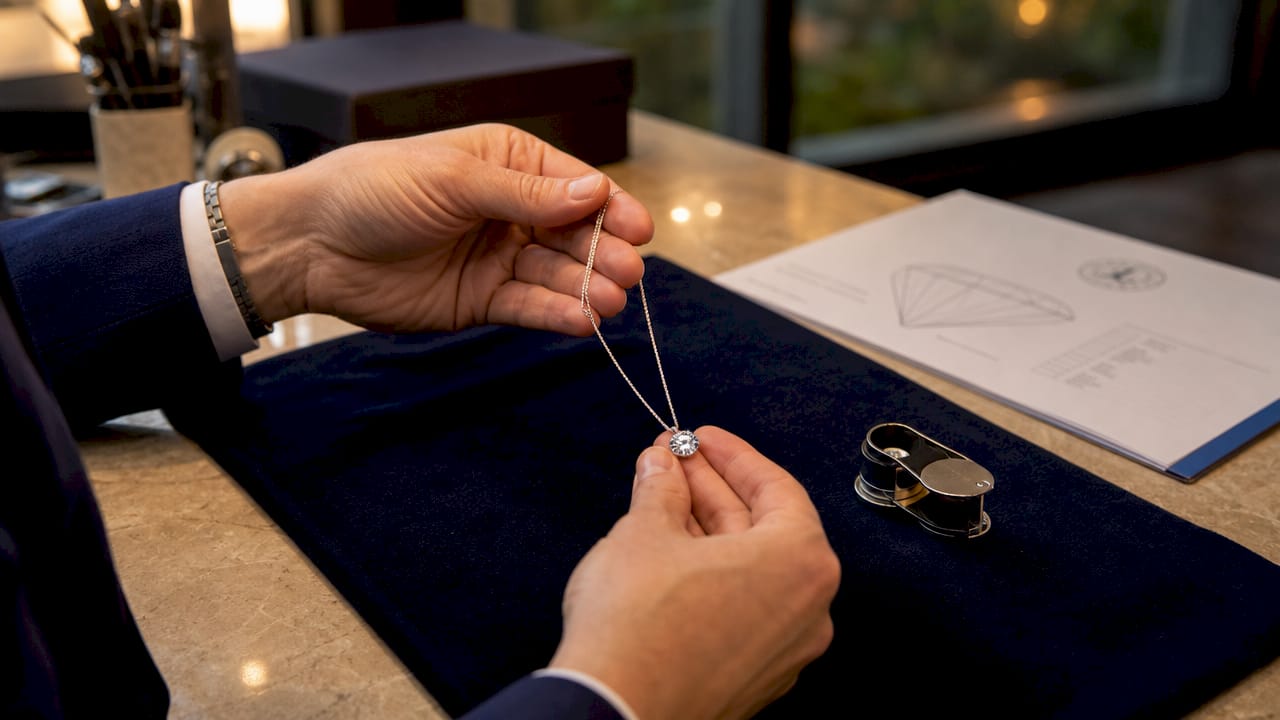
Gold is graded in karats. 14K gold contains 58.5% pure gold and is the standard for everyday wear because the alloy content adds durability. 18K gold carries 75% purity, which produces a richer color but a softer surface more prone to scratching. That distinction matters practically: a 14K band survives daily contact with surfaces that would mark an 18K piece within months. Platinum and sterling silver round out the precious metal category, with platinum being the densest and most hypoallergenic option available.
Red flags in product descriptions are specific. Terms like “gold-toned,” “gold-filled,” “diamond-inspired,” or “crystal-set” signal fashion jewelry, not fine jewelry. A reputable listing will state the karat number, the metal alloy composition, and the gemstone origin. If that information is absent, the piece does not qualify as fine jewelry regardless of its price.
Gemstone quality and certification
For diamonds, quality is measured by the 4 Cs: cut, color, clarity, and carat weight. Cut has the greatest impact on brilliance and is the factor most buyers underweight. For colored stones, the evaluation shifts to color saturation, treatment disclosure, and origin. A ruby described as “heat-treated” is not inferior, but the treatment must be disclosed because it affects long-term value.
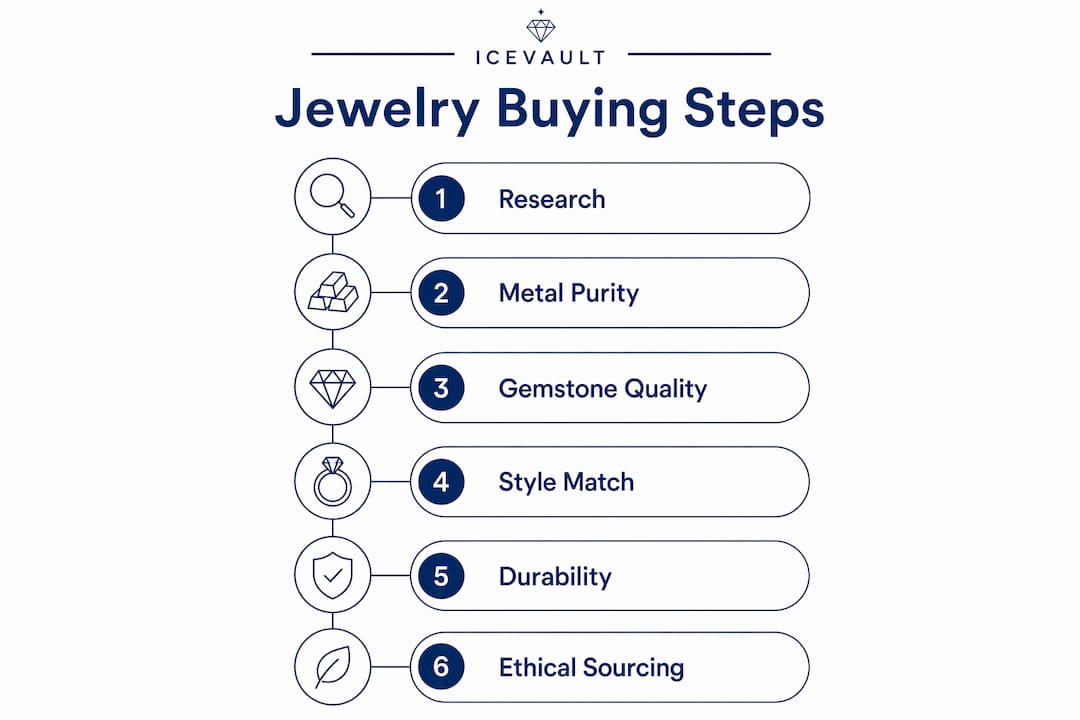
GIA certification is the benchmark for diamond authentication. A GIA grading report provides an independent, standardized assessment of every quality factor. Reputable jewelers provide this documentation as a standard part of the sale. You can learn more about reading these documents in Icevaultatl’s jewelry terminology guide before you start comparing stones.
Pro Tip: Request the actual grading report number and verify it directly on the GIA website. Any jeweler who cannot provide this for a diamond over 0.5 carats is not operating at fine jewelry standards.
- Gold purity: 10K (41.7%), 14K (58.5%), 18K (75%), 24K (99.9%)
- Certification bodies: GIA, AGS, IGI for diamonds; GRS, Gübelin for colored stones
- Metal hallmarks: Look for stamped karat marks inside bands or on clasps
- Avoid: Vague descriptors like “gold-toned,” “premium crystal,” or “diamond accent” without carat weight
How to match jewelry choices to your personal style and lifestyle
Choosing fine jewelry without accounting for your physical coloring and daily routine produces pieces that sit unworn in a drawer. The vein test is the most reliable starting point: examine the veins on your inner wrist in natural daylight. Blue or purple veins indicate cool undertones, which pair best with white gold, platinum, and silver. Green veins signal warm undertones, which suit yellow gold and rose gold. Blue-green veins indicate neutral undertones, which work with any metal. For a deeper look at matching metals to skin tone, the principle extends beyond veins to overall complexion depth and hair color.
Coordinating jewelry with face shape and wardrobe
Earring shape affects how a face reads visually. Angular faces benefit from curved, round earring shapes that soften the jawline. Round faces gain definition from elongated drops or geometric cuts. Oval faces are proportionally neutral and work with most silhouettes. These are not rigid rules, but they are useful starting filters when you are deciding between two pieces you like equally.
Wardrobe compatibility is the factor most buyers skip. A statement collar necklace worn with a turtleneck disappears. A delicate chain worn with a plunging neckline creates exactly the visual line it should. Before purchasing, consider the three most common necklines in your wardrobe and whether the piece you are evaluating works with all three.
Lifestyle durability and foundational pieces
Active lifestyles require harder metals and secure settings. Bezel settings, which surround a stone with a metal rim, protect stones far better than prong settings during physical activity. Prong settings maximize light exposure and brilliance but catch on fabric and bend under impact. Your daily environment should determine your setting preference before aesthetics do.
Build your collection with foundation pieces first: classic studs, a versatile chain, and one signature ring. Statement pieces get less wear by definition, so investing heavily in them before you have a functional base is a common and expensive mistake. For professional settings, understanding appropriate jewelry for the workplace helps you prioritize pieces that earn their cost through frequency of use.
Pro Tip: Before buying any piece, ask yourself how many times per month you will realistically wear it. If the answer is fewer than four, reconsider the price point.
| Metal | Best undertone match | Durability rating | Best use case |
|---|---|---|---|
| Yellow gold (14K) | Warm | High | Everyday rings, chains |
| White gold (14K) | Cool | High | Engagement rings, studs |
| Rose gold (14K) | Warm/Neutral | High | Stacking rings, bracelets |
| Platinum | Cool/Neutral | Very high | Heirloom pieces, prong settings |
| Sterling silver | Cool | Moderate | Casual, occasional wear |
Ethical, custom, and budget considerations in fine jewelry selection
Ethical sourcing is now a concrete, verifiable factor in buying high-quality jewelry, not a marketing claim. Lab-grown diamonds are chemically identical to mined diamonds and carry no conflict sourcing concerns. They also cost significantly less per carat, which means you can prioritize cut quality and still stay within budget. Icevaultatl’s guide on shopping for lab diamonds explains how to read lab-grown certificates and compare quality grades directly.
Custom jewelry offers a specific advantage that catalog buying does not: you select the loose stone first, evaluate it independently, and then design the setting around it. This sequence gives you full control over the most expensive variable in the piece. Starting with a custom design approach also means the final piece fits your proportions and style rather than a generic template.
Budgeting with Cost Per Wear
Cost Per Wear (CPW) is calculated by dividing the purchase price by the number of times you wear the piece. A high-quality necklace worn daily can reach a CPW as low as $0.16, while a trendy piece worn twice before it goes out of style can cost $10 or more per wear. This framework reframes the conversation from “is this too expensive?” to “does this earn its price through use?”
“The most expensive jewelry is the piece you never wear. A $2,000 ring worn every day for ten years costs less per use than a $200 piece worn twice.” This is the logic that separates informed buyers from impulse buyers.
Follow this sequence when evaluating budget and ethics together:
- Set a total budget before you begin browsing, not after you fall in love with a piece.
- Decide between lab-grown and mined gemstones based on your ethical priorities and budget constraints.
- Allocate the largest share of your budget to the stone’s cut quality, since cut drives visible brilliance more than any other factor.
- Evaluate the jeweler’s return policy, warranty terms, and independent reviews before committing.
- Trustworthy jewelers provide full material transparency, grading documentation, and clear post-purchase support as standard practice.
What is the step-by-step process for buying fine jewelry?
A clear purchase sequence prevents the two most common mistakes in the jewelry evaluation process: buying on impulse and skipping verification steps.
- Research first. Identify two or three reputable jewelers and verify their certifications, independent reviews on platforms outside their own website, and return policies before you look at a single product.
- Examine in natural light. Jewelry store lighting is engineered to maximize sparkle. Test any piece you are seriously considering in daylight or near a window to see its true color and brilliance.
- Wear it for comfort. A ring that fits in the store may feel tight after a flight. A necklace clasp that seems easy to operate in the store may frustrate you daily. Physical testing matters.
- Ask specific questions. Request the metal karat, stone origin, treatment history, and grading report number. A jeweler who deflects these questions is not operating transparently.
- Avoid trend-driven purchases. Buying trendy jewelry leads to buyer’s remorse because trend cycles are shorter than jewelry lifespans. A piece that feels current in 2026 may feel dated by 2028.
Post-purchase care is part of the selection process because it affects long-term value. Gold and platinum pieces require professional cleaning every six to twelve months. Prong settings need inspection annually to confirm stones are secure. Store pieces individually in soft pouches to prevent surface scratching.
Pro Tip: Take photos of your jewelry collection twice a year for insurance documentation. Most homeowner and renter policies require photographic evidence for jewelry claims.
Key takeaways
The fine jewelry selection process succeeds when you prioritize material verification, personal fit, and ethical sourcing before price, trend, or impulse.
| Point | Details |
|---|---|
| Verify metal purity | Confirm karat stamps and request alloy composition before purchasing any gold piece. |
| Use GIA certification | Only accept third-party grading reports for diamonds; verify the report number directly with GIA. |
| Match metals to undertones | Use the vein test in natural daylight to identify cool, warm, or neutral undertones before choosing a metal. |
| Build foundations first | Start with classic studs, a chain, and a signature ring before investing in statement pieces. |
| Apply Cost Per Wear | Divide purchase price by projected wears per year to evaluate true value against budget. |
What I’ve learned about selecting jewelry that actually lasts
At Icevaultatl, we see the same pattern repeatedly. Buyers who spend the most time on research end up with the fewest regrets, and buyers who skip the verification steps are the ones who contact us later with questions about pieces they bought elsewhere. The conventional advice to “buy what you love” is incomplete. You should buy what you love and what you will wear, and those two things are not always the same piece.
The ethical dimension of jewelry ownership has shifted from a niche concern to a mainstream one. Lab-grown diamonds are not a compromise. They are a deliberate choice that gives you more stone for your budget and a clear sourcing story. We have watched customers redirect the savings from choosing lab-grown into a better cut grade, and the visual difference is immediate and significant.
Building a collection over time rather than buying everything at once produces better outcomes on every measure: financial, aesthetic, and personal. The pieces that matter most to people are rarely the most expensive ones. They are the ones that fit their life precisely.
— ICEVAULT
Explore fine jewelry and custom designs at Icevaultatl
Icevaultatl specializes in lab-grown diamonds, moissanite jewelry, and fully customized fine jewelry built to the standards this guide describes. Every piece comes with material transparency, grading documentation, and clear warranty terms.
Start with the lab diamond stud earrings as your foundational piece: 1 CTW, D color, round brilliant cut, and ethically sourced. For a significant purchase, the custom engagement ring collection at Icevaultatl offers both classic and fully bespoke options with certified lab-grown stones. Read the custom ring design guide to understand what makes a custom piece durable before you begin the design process.
FAQ
What is the difference between fine jewelry and fashion jewelry?
Fine jewelry uses precious metals (gold, platinum, silver) and genuine gemstones with third-party certification. Fashion jewelry uses base metals and synthetic or simulated stones without grading documentation.
How do I verify a diamond’s quality before buying?
Request the GIA grading report number and verify it directly on the GIA website. Reputable jewelers provide this documentation as a standard part of any diamond sale over 0.5 carats.
Are lab-grown diamonds real diamonds?
Lab-grown diamonds are chemically identical to mined diamonds in composition and optical properties. They carry GIA or IGI certification and are graded by the same 4 Cs standards.
What metal should I choose for everyday wear?
14K gold is the standard for everyday fine jewelry because its alloy content provides durability without sacrificing appearance. Platinum is the most durable option but carries a higher price point.
How do I start building a fine jewelry collection?
Begin with foundation pieces such as classic studs, a versatile chain, and one signature ring. These pieces earn their cost through daily use and provide a base before you invest in statement or high-carat items.